


Not every mission ends when you take off the uniform.
For John Gillmer, the transition from Marine to GM professional wasn’t just a career change: it was a chance to make a difference.
Now a leader in finance and veteran advocacy, he opens up about the lessons that shaped him, the trainings that transformed teams, and the powerful role veterans play in shaping the future of American manufacturing.
Can you share your career journey, including your time in the military?
My path has been shaped by a diverse range of experiences: seven years in consulting, nine in IT support, and thirteen in finance.
I enlisted in the U.S. Marine Corps right out of high school as a computer specialist and later spent over a decade as a Navy spouse.
After completing my education and transitioning careers, I found my way to Southeast Michigan and joined GM in 2014.
Why did you join GM?
Between my love for cars and the chance to be part of an industry giant, the choice was easy.
The longer I stayed, the more I realized what was available for me here.
What lessons from the Marines do you bring to GM?
The Marine Corps gave me a strong foundation to be an asset at any company. I gained many skills that translate well across different industries.
It didn’t take long to notice key similarities between how GM and military operate. Seeing how much of those “unwritten” Marine Corps experiences translated to GM gave me peace of mind.
What’s most rewarding about being a veteran at GM?
My role shifts based on several key factors: the decisions I make, the teams, and the work itself.
This past decade, my role adapted to what's happening in and around GM each year; it literally changed by itself. That keeps my job fresh, dynamic, and full of new challenges to overcome every week.
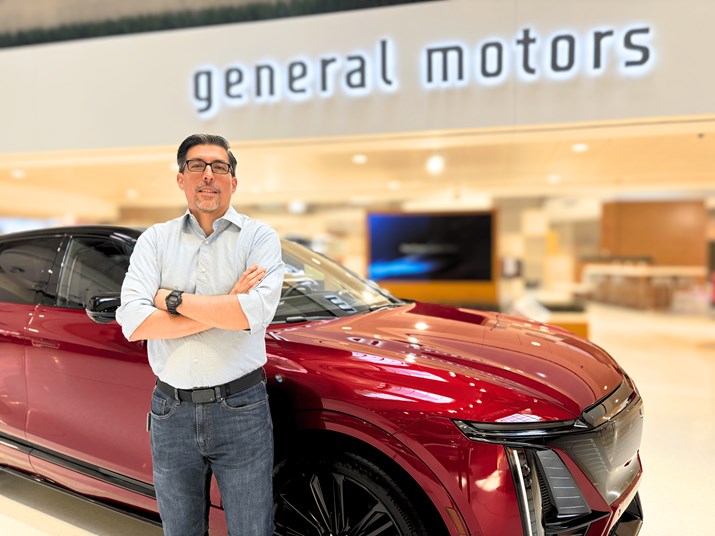
Marine Corps veteran John Gillmer reflects GM’s ongoing commitment to service and leadership.
What's your biggest achievement since joining GM?
The impact of the trainings I’ve led on Business Intelligence tools.
Over the past six years, I’ve helped hundreds of employees across GM innovate their data-related work and become more efficient.
By empowering teams on how to streamline costly manual processes, we have saved multiple departments at GM significant time and costs while boosting productivity.
I’m proud of the ripple effect my work has had on process improvement.
Any advice when it comes to business intelligence?
Clean data is everything. The old saying “short term pain, long term gain” is absolutely applicable here. None of the benefits of Business Intelligence are possible without putting in the hard work to get clean data.
Can you talk about your leadership role for GM’s Veterans Employee Resource Group (ERG)?
It’s always evolving, based on what’s happening across the company and in the world.
The veterans who help lead this group care deeply about making sure members of the veteran community are seen, supported, and heard. That keeps us going. We know we’re making a difference.
How has GM helped you transition from military to civilian life?
Through the Veterans ERG, GM provides support for veteran employees at every stage – whether you’re newly separated from service, or balancing a GM career with the Reserves / National Guard, or left the service decades ago!
For example, we help ensure Reservists and National Guard members who are activated for full-time duty are connected with HR support to help facilitate a smooth leave and re-entry process.
How do veterans contribute to GM’s vision for the future of U.S. manufacturing?
Every year, hundreds of thousands of service members transition out of the military, bringing a wealth of skills and experience to the job market.
GM benefits from that talent pool by adding veterans who can hit the ground running and bring proven problem-solving abilities – qualities that are critical to the future of American manufacturing.
How has GM given you the opportunity to serve a mission beyond the uniform?
Most veterans seek new ways to serve after hanging up their uniform. That can be through community outreach, mentorship, or ERGs like ours. GM provides opportunities for new ways to serve as part of our broader goals as a workplace of choice.
These opportunities help veterans find value and inspire them to come back day after day.
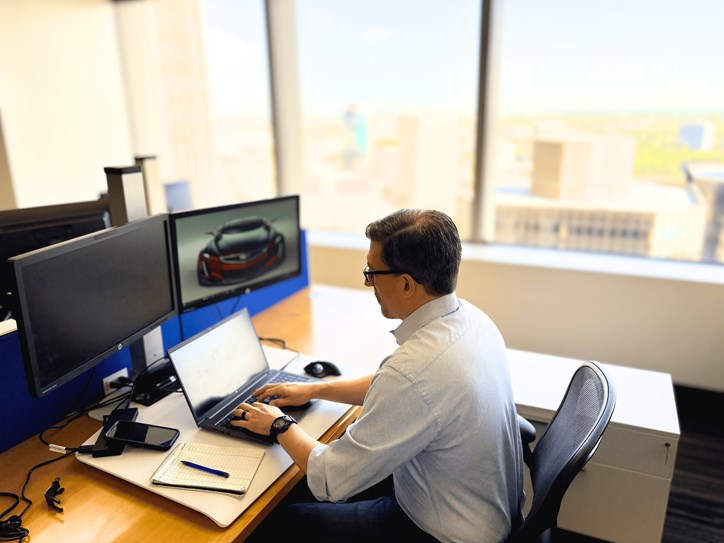
Discipline, focus, and follow-through: John Gillmer applies all of these values to another productive day at GM.
What is your favorite GM Employee Behavior and why?
“Own the Outcome.”
In the military, accountability and responsibility are ingrained, and I believe large corporations should be no different.
The work we do at GM is complex and affects suppliers, economies, and families worldwide. Owning the outcome means recognizing that our decisions carry real consequences, and holding ourselves accountable is essential to delivering the right impact.
What’s your advice for other veterans who want to work at GM?
First of all, most experience you gain from the military translates directly to GM, even if it’s not clear at first. When you're trying to get your foot in the door, it’s best to understand that the framework you’re used to operate in is surprisingly similar to GM’s.
The second thing I want to mention is resumes.
Some folks separating from military service get proper coaching on their resume, but others do not. For example: instead of saying “I led a team of 100 people”, a resume might state, “I was a platoon commander.”
That's great if the hiring manager understands what a platoon commander is. But the vast majority of the population has no military experience. Using military jargon in resumes is like writing in a nearly defunct language.
How so?
Even if recruiters understand what it means to be a platoon commander, they might think you would be unfulfilled in a corporate role because of the difference in team size you would manage.
Accurately translating what you’ve accomplished during your time in the service is key – not just for you, but to help others understand too.
If you want help getting that across, reach out to your fellow veterans. They will be happy to help you translate your skills to “corporate speak”.
Why is GM a great place for veterans to explore new opportunities?
GM gives veterans the chance to grow and evolve. Many of us have taken on multiple roles without ever leaving the company. That flexibility is a big draw.
Veterans often value variety, making a difference, and the ability to carve our own paths. GM supports that by offering a dynamic, impactful, non-linear career journey.
Plus, I highly encourage all former service members to join GM’s Veterans Employee Resource Group (ERG). Being part of that community can help you get moving in the company.
Discover more about how veterans and military-connected employees at GM turn service into impact.


